Mysterious echoes and earth, wind & fire september/the joker within classic rock storytelling
The confluence of artistic expression often yields unexpected resonances, echoes that reverberate through decades and across seemingly disparate creative fields. A particularly fascinating instance of this phenomenon lies in exploring the connections between the soulful sounds of Earth, Wind & Fire’s iconic song "September," the unsettling character of the Joker from Batman lore, and the broader context of classic rock storytelling. While appearing vastly different on the surface, these elements share a common thread – a celebration of freedom, a defiance of convention, and a touch of exhilarating chaos. The interplay between the joyous exuberance of earth, wind & fire september/the joker and the villainous unpredictability of the Joker provides fertile ground for a surprisingly insightful exploration of narrative and emotional depth.
The cultural impact of both Earth, Wind & Fire and the Joker extends far beyond their initial appearances. Earth, Wind & Fire became synonymous with a generation's soundtrack, delivering positivity and musical innovation through a fusion of funk, soul, and jazz. The Joker, on the other hand, has cemented his place as perhaps the most compelling villain in comic book history – a chaotic agent representing the fragility of order and the allure of anarchy. Examining how these seemingly contrasting forces both captivated and continue to captivate audiences reveals a shared psychological pull, a fascination with the boundaries of control and the power of uninhibited expression. This exploration isn’t about finding direct influences, but rather recognizing parallel energies and how they’ve been interpreted and reinterpreted throughout the years.
The Energy of "September" and the Liberation of Rhythm
“September,” released in 1978, transcends its status as a disco anthem; it's an embodiment of pure, unadulterated joy. The song’s infectious rhythm, layered instrumentation, and uplifting lyrics create an atmosphere of carefree abandon. Its enduring popularity isn’t simply about nostalgia, but about the song's ability to tap into a universal desire for escape and celebration. The very structure of the song – the build-up, the release, the dynamic interplay between vocals and instruments – mirrors the emotional arc of a story, albeit a story centered on pure, uninhibited happiness. This inherent narrative quality is something often overlooked when categorizing “September” merely as a dance track. The song’s success lies in its ability to make the listener feel something, and that feeling is liberation. It’s a musical invitation to let go of inhibitions and embrace the present moment.
The Psychological Impact of Upbeat Tempo
Music psychologists have extensively studied the correlation between tempo and mood. Upbeat tempos, like that of “September,” are consistently associated with feelings of excitement, energy, and optimism. The song’s quick pace stimulates the release of dopamine, a neurotransmitter linked to pleasure and reward, contributing directly to its euphoric effect. Further, the complex arrangements, rather than overwhelming, provide a sense of stimulating engagement. This is key – the sophistication of Earth, Wind & Fire's musicality elevates the tune beyond simple pop, adding layers of depth that reward repeated listening. The skillful use of horns, percussion, and vocal harmonies creates a rich sonic tapestry that contributes to the song’s lasting appeal and pervasive sense of joy. This active engagement is pivotal to understanding why the song remains so beloved.
| Song Element |
Emotional Impact |
| Upbeat Tempo |
Energy, Excitement, Optimism |
| Complex Arrangements |
Stimulation, Engagement, Reward |
| Layered Instrumentation |
Richness, Depth, Sophistication |
| Harmonious Vocals |
Warmth, Connection, Joy |
The carefully crafted layers of “September” are far from accidental, representing a sophisticated understanding of how music impacts the human psyche. The song isn't simply fun, it’s strategically designed to make you feel good, creating a potent emotional experience that resonates with listeners across generations.
The Joker: Embracing Chaos as a Form of Expression
In stark contrast to the joyous abandon of “September,” the Joker embodies chaos and anarchy. However, beneath the painted smile and maniacal laughter lies a complex character driven by a perverse desire to expose the absurdity of societal norms. He's not simply a villain; he’s a philosophical provocateur, challenging the very foundations of order and morality. The Joker’s appeal isn’t rooted in a desire for destruction, but in a fascination with what happens when the rules are broken. He represents a rejection of predictability and a celebration of the unpredictable, much like an improvisational jazz musician pushing the boundaries of musical convention. He thrives on disruption, forcing those around him to confront the fragility of their own beliefs and the inherent chaos of existence. This makes him arguably the most iconic villain in popular culture.
Deconstructing the Superhero Narrative
The Joker’s impact on the superhero narrative is profound. He forces Batman, the symbol of order and justice, to constantly question his own methods and motivations. He doesn't seek to conquer the world; he seeks to prove that anyone can be pushed to the breaking point. This makes him a particularly unsettling adversary because he attacks not physical strength, but the very core of Batman’s principles. The Joker operates outside the conventional rules, refusing to engage in a rational struggle for power. This relentless pursuit of chaos is what makes him so compelling – and so terrifying. His actions become a twisted reflection of humanity, forcing both characters within the narrative and audiences outside of it to confront the darker aspects of human nature. This constant testing of boundaries is a central element of his enduring popularity.
- The Joker challenges societal norms.
- He exposes the fragility of order.
- He provokes philosophical questions about morality.
- He forces Batman to confront his own limitations.
The Joker is a master of psychological warfare, exploiting the weaknesses of his opponents and forcing them to confront their own inner demons. He is, in essence, a performance artist of chaos, and his actions are often calculated to elicit a specific reaction. This deliberate manipulation elevates him beyond a simple villain, transforming him into a complex and compelling character whose motives are constantly open to interpretation.
The Shared Impulse: Rebellion Against Structure
Despite their contrasting exteriors, both "September" and the Joker share a common thread: a rejection of rigid structure and a celebration of individual expression. “September” rebels against the constraints of everyday life, offering a momentary escape into a world of pure joy and liberation. The Joker rebels against the constraints of societal norms, exposing the hypocrisy and absurdity that often lie beneath the surface. Both operate outside the established order, challenging the status quo and inviting audiences to question their own assumptions. This isn’t a call for outright anarchy, but rather a recognition of the importance of embracing individuality and resisting conformity. The underlying impulse is the same: a desire to break free from limitations and experience the world on one's own terms.
The Role of Performance in Both Expressions
Performance is central to both expressions. Earth, Wind & Fire’s live performances were legendary for their energy and showmanship, creating immersive experiences that transcended the boundaries of a typical concert. The Joker, similarly, is a master performer, constantly crafting a persona and manipulating those around him. Both utilize theatricality to convey their message, engaging audiences and challenging their perceptions. The showmanship of Earth, Wind & Fire brings unwavering positivity, while the Joker’s showmanship is inherently unsettling. Both properties leverage the visual and auditory impact of performance, relying on charisma and deliberate presentation. The skill in their respective artistry underlines the subversive freedom that they both embody.
- Earth, Wind & Fire's performances were energetic and immersive.
- The Joker is a master manipulator and performer.
- Both utilize theatricality to convey a message.
- Both engage audiences and challenge perceptions.
The element of spectacle, of actively creating an experience, is crucial. It’s not enough to simply feel joy or to simply challenge authority; it must be displayed, performed, made visible. This performative aspect elevates both “September” and the Joker beyond mere entertainment, transforming them into cultural statements.
The Enduring Legacy: Echoes in Modern Storytelling
The echoes of "September" and the Joker continue to resonate in modern storytelling. The emphasis on upbeat tempos and positive messaging in contemporary pop music owes a debt to Earth, Wind & Fire’s pioneering work. The Joker's influence can be seen in a plethora of villainous characters who challenge societal norms and embrace chaos, from Harley Quinn to the numerous anti-heroes that populate contemporary comic books and films. The impact is felt within the themes and motifs within modern entertainment. The duality – the joyful exuberance and the unsettling unpredictability – is a particularly potent combination that continues to captivate audiences. These influences are not always direct, but rather subtle undercurrents that shape the landscape of creative expression.
The enduring appeal of these seemingly disparate figures lies in their ability to tap into fundamental human emotions and desires. We crave joy, liberation, and connection, and we are simultaneously fascinated by chaos, rebellion, and the darker aspects of the human condition. "September" and the Joker, in their own unique ways, offer us both, providing a space for exploration, catharsis, and ultimately, a deeper understanding of ourselves and the world around us. Their legacies demonstrate the power of art to challenge, inspire, and reflect the complexities of the human experience, offering timeless perspectives that continue to captivate audiences across generations.
The Intersection of Joy and Anarchy in Creative Expression
Exploring the relationship between the uninhibited joy of “September” and the controlled chaos embodied by the Joker reveals a surprisingly fertile ground for understanding broader trends in artistic creation. Often, the most compelling works of art emerge from a tension between opposing forces – order and disorder, light and darkness, joy and sorrow. The ability to navigate this tension, to embrace both the exhilarating highs and the unsettling lows, is what separates the truly transformative art from the merely pleasant or the predictably disturbing. The power of this counterbalance is a key ingredient in captivating long-term interest. Examining the creative choices made in each instance reveals a consistent exploration of these forces and their interplay.
Consider the prevalence of tragicomic characters in literature and film—those figures who simultaneously evoke laughter and pity, who embody both the absurdity and the vulnerability of the human condition. This archetype, so brilliantly exemplified by the Joker, finds its echo in the equally resonant and uplifting energy of Earth, Wind & Fire’s music. Both tap into a primal need to experience the full spectrum of human emotions, offering a cathartic release and a sense of connection to something larger than ourselves. This is not about equating joy with anarchy, but about recognizing the inherent power of both as forces of transformation and self-expression. The power of embracing the full spectrum creates a lasting and meaningful artistic impact.

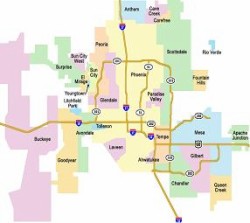 We serve the entire Phoenix area, including
  We accept Cash, Checks and Major Credit Cards.