
- Recovery pathways and lasting relief are available with imaginephysio.co.uk for optimal function
- Understanding the Foundations of Musculoskeletal Rehabilitation
- The Role of Manual Therapy Techniques
- The Power of Exercise in Restoring Function
- Types of Exercises Commonly Prescribed
- Neuromuscular Re-education and Motor Control
- Biofeedback and its role in motor control
- The Importance of a Holistic Approach to Physiotherapy
- Beyond Recovery: Preventing Future Injuries and Maintaining Optimal Function
Recovery pathways and lasting relief are available with imaginephysio.co.uk for optimal function
imaginephysio.co.uk. Navigating the complexities of physical recovery can be a daunting task, often leaving individuals seeking expert guidance and tailored solutions. The journey towards optimal function frequently requires a multifaceted approach, addressing not only the immediate symptoms but also the underlying causes of discomfort and limitation. Fortunately, resources are readily available to support this process, and
The core philosophy underpinning effective physiotherapy revolves around empowering individuals to regain control over their bodies and lives. It’s about more than simply alleviating pain; it’s about understanding the biomechanics of movement, identifying imbalances, and implementing strategies to enhance strength, flexibility, and overall functional capacity. A successful recovery pathway often involves a collaborative effort between the physiotherapist and the patient, built on open communication, mutual trust, and a shared commitment to achieving long-term results. This holistic perspective sets the stage for lasting relief and improved quality of life.
Understanding the Foundations of Musculoskeletal Rehabilitation
Musculoskeletal rehabilitation forms the cornerstone of many physiotherapy interventions, focusing on the intricate interplay between muscles, bones, joints, ligaments, and tendons. Effective rehabilitation programs are designed to address a wide spectrum of conditions, ranging from acute injuries like sprains and fractures to chronic ailments such as arthritis and back pain. A thorough assessment is crucial, involving a detailed medical history, physical examination, and potentially diagnostic imaging studies to pinpoint the precise nature and extent of the problem. Understanding the specific tissues involved, the mechanisms of injury, and any contributing factors is paramount to developing a targeted treatment plan. This initial stage sets the foundation for a successful recovery journey.
The Role of Manual Therapy Techniques
Manual therapy encompasses a range of hands-on techniques employed by physiotherapists to manipulate soft tissues and joint structures. These techniques aim to restore mobility, reduce pain, and improve overall function. Examples include massage, mobilization, and manipulation. Massage can help to release muscle tension, improve circulation, and reduce inflammation. Mobilization involves gentle oscillatory movements to restore joint range of motion, while manipulation utilizes more forceful, high-velocity thrusts to address joint restrictions. The appropriate application of these techniques requires a deep understanding of anatomy, biomechanics, and the individual patient's needs. It is often combined with other rehabilitative exercises to achieve the best outcome.
| Condition | Common Manual Therapy Techniques |
|---|---|
| Lower Back Pain | Lumbar mobilization, soft tissue release, myofascial trigger point therapy |
| Neck Pain | Cervical mobilization, muscle energy techniques, postural re-education |
| Shoulder Impingement | Scapular stabilization exercises, joint mobilization, soft tissue mobilization |
Following manual therapy, the focus shifts towards restoring proper movement patterns and strengthening supporting structures. This requires a carefully progressed exercise program designed to address specific muscle imbalances, improve neuromuscular control, and enhance functional capacity.
The Power of Exercise in Restoring Function
Exercise is not merely an adjunct to physiotherapy; it is arguably the most powerful tool in the rehabilitation arsenal. A well-structured exercise program can address a multitude of impairments, including muscle weakness, limited range of motion, poor coordination, and decreased endurance. Exercise programs are highly individualized, taking into account the patient’s specific condition, functional goals, and overall fitness level. The progression of exercises is carefully monitored, starting with simple, low-impact activities and gradually increasing the intensity and complexity as the patient improves. This ensures that the body is challenged appropriately without risking re-injury or exacerbating symptoms. The goal is not just to relieve pain but also to prepare the body for optimal performance in daily activities.
Types of Exercises Commonly Prescribed
The variety of exercises used in physiotherapy is vast, encompassing a range of modalities designed to address different aspects of physical function. Strengthening exercises target specific muscle groups to improve their force-producing capacity. Range of motion exercises aim to restore joint mobility and flexibility. Neuromuscular exercises focus on improving coordination, balance, and proprioception – the body's awareness of its position in space. Cardiovascular exercises enhance endurance and overall cardiovascular health. Functional exercises mimic real-life movements, preparing the patient for the demands of their daily activities. The selection of exercises is carefully tailored to the individual’s needs and goals, ensuring that the program is both effective and enjoyable.
- Strengthening exercises: focus on building muscle mass and power.
- Range of motion exercises: improve joint flexibility and reduce stiffness.
- Proprioceptive exercises: enhance balance and coordination.
- Cardiovascular exercises: increase stamina and overall fitness.
Regular exercise, guided by a qualified physiotherapist, is a cornerstone in the journey towards long-term recovery and the prevention of future injuries. It’s an investment in one’s overall health and well-being, promoting not only physical function but also mental resilience and a greater sense of self-efficacy.
Neuromuscular Re-education and Motor Control
Often overlooked, yet critically important, is the concept of neuromuscular re-education. Injury and disuse can disrupt the intricate communication between the nervous system and the muscles, leading to altered movement patterns and impaired motor control. Neuromuscular re-education aims to retrain the nervous system to activate the correct muscles at the right time and with the appropriate force. This is achieved through a variety of exercises that challenge the patient’s ability to control their movements, often incorporating feedback mechanisms such as mirrors or biofeedback devices. The goal is to restore natural, efficient movement patterns and prevent the development of compensatory strategies that can lead to chronic pain and dysfunction.
Biofeedback and its role in motor control
Biofeedback is a technique that provides individuals with real-time feedback on their physiological processes, such as muscle activity, heart rate, and brainwave patterns. In the context of neuromuscular re-education, surface electromyography (sEMG) biofeedback is often used to monitor muscle activation levels. This allows the physiotherapist to guide the patient in consciously activating the correct muscles and inhibiting those that are contributing to the problem. For example, someone with lower back pain might use biofeedback to learn how to relax their overactive back muscles and engage their core muscles more effectively. Biofeedback empowers patients to take an active role in their recovery, providing them with valuable insights into their body’s responses and helping them to develop greater control over their movements.
- Assess muscle activation patterns.
- Provide real-time feedback via sEMG.
- Train proper muscle recruitment.
- Integrate learned patterns into functional activities.
By addressing the underlying neurological impairments, neuromuscular re-education helps to restore optimal motor control and prevent recurrence of injury. It is a powerful tool in the hands of a skilled physiotherapist, enhancing the effectiveness of other rehabilitation strategies.
The Importance of a Holistic Approach to Physiotherapy
Effective physiotherapy extends beyond simply treating the symptoms; it necessitates a holistic approach that considers the interconnectedness of the body and the individual's overall well-being. Factors such as stress, sleep, diet, and psychological state can all significantly impact the recovery process. A skilled physiotherapist will address these factors, providing guidance on lifestyle modifications, stress management techniques, and nutritional strategies to support healing. Furthermore, understanding the patient’s goals, values, and beliefs is crucial for developing a treatment plan that is both effective and motivating. The most successful rehabilitation outcomes are achieved when the patient is actively engaged in their care and feels empowered to take control of their health.
The importance of patient education cannot be overstated. Understanding the nature of their condition, the rationale behind the treatment plan, and the importance of adherence to the prescribed exercises is essential for fostering a sense of ownership and maximizing the likelihood of long-term success. Physiotherapists play a vital role in empowering patients with the knowledge and tools they need to manage their condition effectively and prevent future problems. This collaborative approach is central to the value provided by resources like
Beyond Recovery: Preventing Future Injuries and Maintaining Optimal Function
The journey doesn’t end with symptom relief. A crucial component of physiotherapy is developing a preventative strategy to minimize the risk of future injuries and maintain optimal function. This includes continued exercise, proper body mechanics, and ergonomic assessments. Understanding your body’s limitations, recognizing early warning signs of potential problems, and adopting healthy habits are all vital for long-term wellness. A physiotherapist can provide tailored advice on how to modify your activities, improve your posture, and strengthen your body to withstand the demands of daily life. This proactive approach is a shift from reactive care to preventative maintenance, empowering individuals to take charge of their physical health and enjoy a more active and fulfilling lifestyle.
Consider the example of a runner who has recovered from a hamstring strain with the help of physiotherapy. Simply returning to their previous training regimen without addressing the underlying factors that contributed to the injury would be a mistake. Instead, their physiotherapist might recommend a progressive running program, incorporating strength training, flexibility exercises, and proper warm-up and cool-down routines. They might also assess the runner’s gait mechanics and provide feedback on technique to reduce stress on the hamstring muscles. This comprehensive approach, focused on preventing recurrence and optimizing performance, is the hallmark of effective physiotherapy and what patients could expect from a dedicated practice like
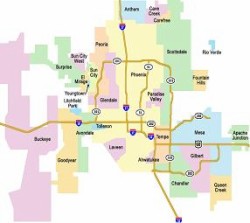 We serve the entire Phoenix area, including
  We accept Cash, Checks and Major Credit Cards.