
- Insights into markets with kalshi betting and potential investment strategies
- Understanding the Mechanics of Kalshi Markets
- Risk Management on Kalshi
- Developing Trading Strategies for Kalshi
- The Role of Information and Market Sentiment
- Kalshi and Political Forecasting
- The Future of Prediction Markets and Kalshi's Position
- Expanding Applications Beyond Politics and Economics
Insights into markets with kalshi betting and potential investment strategies
The world of financial markets is constantly evolving, with new avenues for participation and speculation emerging regularly. One such recent development is the rise of prediction markets, and specifically, platforms like Kalshi. Kalshi betting offers a unique approach to forecasting future events, allowing users to trade contracts based on the outcomes of various occurrences, from political elections to economic indicators. This isn't traditional gambling; it’s a sophisticated way to express and profit from informed opinions about the future. The allure lies in the potential for substantial gains based on accurate predictions, coupled with a relatively low barrier to entry for those seeking to participate in these markets.
Unlike conventional betting where odds are set by bookmakers, Kalshi operates as a decentralized exchange. This means that prices are determined by supply and demand, driven by the collective wisdom (and sometimes, biases) of its users. This dynamic pricing mechanism can provide valuable insights into the prevailing sentiment surrounding an event. It also presents opportunities for arbitrage and strategic trading, making it attractive to both seasoned traders and those new to the world of financial speculation. Understanding the nuances of this platform and its underlying principles is crucial for anyone considering participation.
Understanding the Mechanics of Kalshi Markets
At its core, Kalshi functions as a designated exchange regulatory (DER) platform, operating under the oversight of the Commodity Futures Trading Commission (CFTC). This regulatory framework is a key differentiator, setting Kalshi apart from many other prediction market platforms. The emphasis on regulatory compliance aims to foster a more trustworthy and transparent environment for traders. Users buy and sell contracts that pay out $1 if the event specified in the contract occurs, and $0 if it doesn’t. The price of these contracts reflects the market’s collective probability assessment of the event happening. For example, a contract predicting the outcome of an election might trade at $0.60, indicating a 60% perceived chance of that outcome occurring.
The trading process is akin to that of traditional financial markets. Users place buy and sell orders, and the exchange matches those orders based on price and quantity. Profit is realized by correctly predicting the outcome of an event and either holding a winning contract until settlement or by closing out a position at a favorable price before the event concludes. A key element to understand is the concept of ‘event settlement’, which is the point at which the outcome of the event is determined and contracts are paid out. This settlement is often based on verifiable data sources, ensuring objectivity and reducing the potential for disputes. Furthermore, Kalshi imposes limits on position sizes to mitigate risk and ensure market stability.
Risk Management on Kalshi
Participating in any financial market carries inherent risks, and Kalshi is no exception. While the platform offers tools for managing risk, it’s imperative that traders understand these tools and employ them effectively. Position sizing is crucial; overleveraging can lead to significant losses, even with accurate predictions. Diversification across multiple markets can also help mitigate risk by reducing exposure to any single event’s outcome. Understanding the liquidity of a market is another important consideration. Highly liquid markets offer tighter spreads and easier order execution, while illiquid markets can experience significant price volatility and slippage. Stop-loss orders, while not directly available on Kalshi, can be simulated by consistently monitoring positions and exiting if they move against your expectations.
Furthermore, it’s crucial to be aware of the potential for emotional biases to influence trading decisions. Fear and greed can often lead to impulsive actions that undermine rational analysis. Developing a well-defined trading plan and adhering to it consistently is a vital component of responsible risk management on Kalshi. The platform itself provides historical data and market information, which can be valuable resources for informed decision-making. However, it's important to remember that past performance is not necessarily indicative of future results.
Developing Trading Strategies for Kalshi
Successful trading on Kalshi requires a combination of analytical skills, market knowledge, and a disciplined approach. One common strategy is to identify discrepancies between the market’s implied probability and your own assessment of an event’s likelihood. This often involves conducting thorough research, analyzing relevant data, and considering various factors that could influence the outcome. Another strategy is to focus on markets with limited information or where public opinion is heavily skewed, as these markets may present opportunities for contrarian trading. Arbitrage opportunities can also arise from price differences across different events or time horizons. For example, if the market price for an event occurring in six months is significantly different from the combined prices of contracts for shorter-term events that lead up to it, an arbitrageur might be able to profit from the discrepancy.
Beyond these core strategies, incorporating a fundamental understanding of the event itself is crucial. For political events, this means analyzing polling data, campaign finance reports, and political trends. For economic events, it involves monitoring economic indicators, central bank policies, and global economic conditions. The ability to integrate this fundamental analysis with the market’s price action is what separates successful traders from those who rely solely on speculation. Remember to continuously refine your strategies based on your performance and adapt to changing market conditions. The world is dynamic, and standing still means falling behind.
- Fundamental Analysis: Thoroughly research the underlying event by examining relevant data and factors.
- Technical Analysis: Identify patterns and trends in contract prices to inform trading decisions.
- Contrarian Trading: Consider taking positions against prevailing market sentiment when you believe it’s excessively biased.
- Arbitrage: Exploit price discrepancies across different markets or time horizons.
- Risk Management: Always prioritize managing risk through position sizing, diversification, and a disciplined approach.
- Market Liquidity: Assess the liquidity of the market before entering a trade.
Utilizing these strategies requires diligent research and a commitment to continuous learning. The best approach is often a combination of multiple techniques tailored to the specific market and event you are trading.
The Role of Information and Market Sentiment
Information, or the perception of information, is paramount in prediction markets. The speed and accuracy with which new information is disseminated can significantly impact contract prices. Traders must be adept at identifying credible sources and interpreting data effectively. News events, expert opinions, and even social media trends can all play a role in shaping market sentiment. Understanding how these forces interact is essential for predicting market movements. It's also important to be skeptical of biased or unreliable information, as this can lead to poor trading decisions. The ability to filter out noise and focus on relevant data is a critical skill for success.
Market sentiment, often driven by collective emotions and biases, can also exert a powerful influence on prices. During periods of uncertainty or volatility, markets may overreact to news events, creating opportunities for contrarian traders. Conversely, during periods of euphoria or complacency, markets may underestimate risks. Recognizing these sentiment-driven patterns can provide valuable insights into potential trading opportunities. Tools like sentiment analysis, which uses natural language processing to gauge public opinion, can be helpful in assessing market sentiment. However, it’s important to remember that sentiment analysis is not foolproof and should be used in conjunction with other forms of analysis.
Kalshi and Political Forecasting
One of the most prominent use cases for platforms like Kalshi is political forecasting. The ability to trade contracts based on the outcomes of elections, legislative votes, and other political events provides a unique way to gauge public opinion and assess the likelihood of various scenarios. Compared to traditional polling methods, Kalshi offers several advantages. First, it’s a continuous market, meaning that prices are updated in real-time as new information becomes available. Second, it’s a skin-in-the-game market, meaning that participants are incentivized to make accurate predictions. This contrasts with traditional polls, where respondents may not have a strong incentive to provide honest answers.
However, it’s important to note that Kalshi’s political markets are not immune to manipulation or bias. Large traders can potentially influence prices, and the market may be susceptible to echo chambers or groupthink. Therefore, it’s crucial to approach Kalshi’s political forecasts with a critical eye and consider them as one data point among many. The results should not necessarily be taken as definitive predictions, but rather as a reflection of the collective wisdom—and potential foibles—of the trading community.
The Future of Prediction Markets and Kalshi's Position
The future of prediction markets looks promising, with potential for growth and innovation across various sectors. As the public becomes more aware of these platforms and their benefits, we can expect to see increased participation and liquidity. Further regulatory clarity and standardization could also contribute to the industry’s development. Kalshi, as a pioneering platform in this space, is well-positioned to capitalize on these trends. Its regulatory compliance and sophisticated trading infrastructure give it a competitive advantage. The platform's commitment to transparency and user education further enhances its appeal.
However, challenges remain. Attracting a broader audience beyond experienced traders, addressing concerns about market manipulation, and ensuring fair access for all participants are all critical issues that need to be addressed. Continued innovation in trading tools and product offerings will also be essential for maintaining Kalshi’s momentum. The integration of artificial intelligence and machine learning could potentially enhance market efficiency and improve prediction accuracy. Ultimately, the success of Kalshi and other prediction market platforms will depend on their ability to demonstrate their value to users and establish themselves as trusted sources of information and insight.
Expanding Applications Beyond Politics and Economics
While political and economic forecasting represent significant portions of activity on Kalshi, the potential applications extend far beyond these areas. Consider the possibilities within the realm of sports predictions, particularly for niche events or proposition bets where traditional bookmakers may lack expertise. Or, foresee utilizing these markets for forecasting outcomes within scientific research, potentially allocating resources more efficiently based on projected success rates. The ability to create markets around virtually any future event with a verifiable outcome offers a vast and largely untapped opportunity for innovation.
One fascinating area for future development is the use of Kalshi-style markets for internal corporate forecasting. Companies could leverage these platforms to solicit predictions from employees on project timelines, sales targets, or the success of new product launches. This could provide valuable insights for decision-making and improve organizational agility. The key to unlocking this potential lies in developing user-friendly interfaces, robust security measures, and clear regulatory guidelines. As the platform evolves and gains wider adoption, we can expect to see a continued expansion of its applications and a growing recognition of its value as a tool for informed decision-making.
| Market Type | Example Event |
|---|---|
| Political | US Presidential Election Winner |
| Economic | Non-Farm Payrolls Change |
| Sports | Super Bowl Winner |
| Future Events | Will a specific company launch a new product by a certain date? |
- Research the Event: Thoroughly understand the factors that could influence the outcome.
- Analyze Market Sentiment: Gauge the collective wisdom of the trading community.
- Develop a Trading Strategy: Define your entry and exit points based on your analysis.
- Manage Risk: Implement position sizing and diversification techniques.
- Monitor Your Positions: Continuously track market movements and adjust your strategy as needed.
- Stay Informed: Keep abreast of new information and developments related to the event.
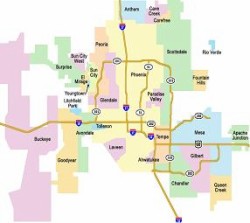 We serve the entire Phoenix area, including
  We accept Cash, Checks and Major Credit Cards.