
- Political events trading with kalshi offers unique risks and rewards
- Understanding the Kalshi Marketplace
- Contract Specifications and Expiration
- The Risks Associated with Kalshi Trading
- Leverage and Margin Requirements
- The Potential Rewards of Kalshi Trading
- Kalshi as a Tool for Forecasting and Intelligence
- The Future of Event-Based Trading
Political events trading with kalshi offers unique risks and rewards
The world of financial markets is constantly evolving, with new avenues for investment and speculation emerging regularly. One such development is the rise of prediction markets, platforms where individuals can trade on the outcomes of future events. Among these, kalshi stands out as a particularly innovative and regulated exchange, offering contracts based on political events, economic indicators, and even natural disasters. This unique approach provides both opportunities and risks for participants, demanding a nuanced understanding of the platform and the underlying dynamics of event-based trading.
Trading on future events isn’t new, but the way Kalshi structures and regulates it is. Traditional prediction markets often operate in legal gray areas, leading to concerns about transparency and fairness. Kalshi, however, has gained regulatory approval from the Commodity Futures Trading Commission (CFTC), making it a legally sanctioned platform for this type of trading. This regulatory framework creates a layer of security for investors, but it doesn’t eliminate the inherent risks associated with predicting uncertain outcomes. This article will explore the intricacies of Kalshi, including its mechanics, the associated risks, potential rewards, and its place within the broader landscape of financial markets.
Understanding the Kalshi Marketplace
Kalshi operates on a simple premise: buyers and sellers trade contracts that pay out $1 if the event occurs and $0 if it doesn’t. The price of a contract reflects the market’s collective assessment of the probability of that event happening. For example, a contract on “Will President X win the next election?” might trade at $0.60, indicating a 60% probability of that outcome. Traders aim to profit by buying contracts at a price they believe is too low (underestimating the probability) and selling them later at a higher price, or by selling contracts they believe are overpriced (overestimating the probability) and buying them back at a lower price. The key is accurate prediction and skillful timing. This isn’t simply betting; it’s about forming a well-informed opinion and executing trades based on that opinion.
Unlike traditional exchanges dealing with stocks or commodities, Kalshi deals in probabilities. This requires a different skillset, focusing more on analytical thinking, research, and understanding of the factors that might influence the event’s outcome. It's less about fundamental analysis of a company's financials and more about assessing the likelihood of a political event, economic trend, or even a specific piece of legislation passing. The platform itself provides various tools and data points to aid traders in their decision-making process, including historical event data and market sentiment analysis. This is crucial, as accurately gauging public opinion or anticipating policy changes can significantly impact contract prices.
Contract Specifications and Expiration
Each contract on Kalshi has specific details, including the event it’s tied to, the settlement date (when the outcome is determined and payouts are made), and the contract size. Understanding these specifications is vital before entering a trade. The settlement process is usually straightforward, with Kalshi relying on objective data sources to determine the outcome. For political events, this usually means official election results. For economic indicators, it would be government reports. A clear understanding of the settlement rules is paramount to avoid disputes and ensure a smooth trading experience. Traders need to be aware of the potential for ambiguity and ensure they are trading on contracts with well-defined outcomes.
The expiration date of a contract is a critical factor influencing its price. As the expiration date approaches, the price of the contract will typically converge towards either $0 or $1, reflecting the increasing certainty of the event’s outcome. This phenomenon can create opportunities for traders, but it also increases the risk of sudden price swings. Volatility tends to be highest in the period leading up to the expiration date, making it a potentially lucrative but also risky time to trade. Successfully navigating these dynamics requires a thorough understanding of market timing and risk management.
| Contract | Event | Expiration Date | Price (Example) |
|---|---|---|---|
| 2024 US Presidential Election | Winner of the 2024 US Presidential Election | November 5, 2024 | $0.45 |
| October CPI | US CPI Reading for October 2024 | November 14, 2024 | $0.80 |
| Federal Reserve Rate Decision | Federal Reserve Interest Rate Decision – December 2024 | December 13, 2024 | $0.92 |
This table provides a simplified illustration of contract specifications. Actual contracts and prices will vary.
The Risks Associated with Kalshi Trading
While Kalshi presents a novel trading opportunity, it’s crucial to acknowledge the inherent risks involved. Firstly, prediction markets are fundamentally speculative. The outcome of future events is uncertain, and even the most well-informed predictions can be wrong. Unexpected events, often referred to as "black swan" events, can dramatically alter the probabilities and lead to significant losses for traders. Secondly, the market can be highly volatile, especially in the lead-up to the settlement date. Sudden shifts in public opinion or unexpected news announcements can cause rapid and substantial price fluctuations, potentially wiping out profits or exacerbating losses. Finally, liquidity can be an issue, particularly for contracts based on niche or less-publicized events. This can make it difficult to enter or exit trades at desired prices, increasing the risk of slippage.
Another risk stems from the regulatory environment. While Kalshi is currently regulated by the CFTC, future regulatory changes could impact the platform’s operations or even its legality. Changes in regulations could increase costs for Kalshi, limit the types of contracts offered, or introduce new restrictions on trading. Furthermore, the relatively new nature of Kalshi means that the long-term sustainability of the platform is still uncertain. While the platform has demonstrated growth and gained regulatory acceptance, it’s important to recognize that it’s still a developing market. Potential competition from other prediction market platforms or unforeseen challenges could impact Kalshi’s future success. Trading, therefore, requires careful consideration of these factors.
Leverage and Margin Requirements
Kalshi allows traders to use leverage, which can amplify both profits and losses. Leverage allows traders to control a larger position with a smaller amount of capital, increasing their potential exposure to market movements. However, it also magnifies the risk of losses, as even small adverse price changes can result in substantial losses. Kalshi requires traders to maintain a certain amount of margin in their accounts to cover potential losses. If the value of a trader’s account falls below the margin requirement, they may be subject to a margin call, requiring them to deposit additional funds to cover their positions. Understanding leverage and margin requirements is crucial for responsible trading on Kalshi.
The platform provides clear information about leverage ratios and margin requirements for each contract. Traders should carefully assess their risk tolerance and only use leverage to the extent they are comfortable with the potential for amplified losses. It's advisable to start with smaller positions and lower leverage ratios until you have a thorough understanding of the platform and the dynamics of event-based trading. Proper risk management techniques, such as setting stop-loss orders, are essential for protecting your capital.
- Diversification: Don't put all your capital into a single contract. Spread your risk across multiple events.
- Research: Thoroughly research the events you are trading on. Understand the underlying factors that could influence the outcome.
- Risk Management: Set stop-loss orders to limit potential losses.
- Position Sizing: Don't trade with more capital than you can afford to lose.
- Stay Informed: Keep abreast of news and events that could impact the contracts you are trading.
These principles are vital for successful and responsible trading on Kalshi.
The Potential Rewards of Kalshi Trading
Despite the risks, Kalshi offers the potential for significant rewards. The ability to profit from accurately predicting the outcome of events can be highly lucrative, particularly for those with specialized knowledge or a keen understanding of political or economic dynamics. The platform's transparent pricing and regulated environment contribute to a fairer and more efficient market, reducing the potential for manipulation. Unlike traditional financial markets, Kalshi offers access to a unique asset class – the probability of future events. This can provide diversification benefits for investors and hedge funds looking to expand their portfolios. Furthermore, the platform’s real-time data and analytics tools can provide valuable insights into market sentiment and the collective wisdom of crowds.
Successful traders on Kalshi often possess a combination of analytical skills, market knowledge, and disciplined risk management. They are able to identify undervalued or overvalued contracts and execute trades based on their informed opinions. The platform also fosters a community of traders who share insights and analysis, creating a collaborative learning environment. This can be particularly valuable for newcomers to the world of prediction markets. Kalshi presents an opportunity for those who enjoy intellectual challenges and are comfortable with uncertainty to potentially generate substantial returns. It is crucial, however, to approach it as a serious endeavor requiring diligent research and sound risk management.
Kalshi as a Tool for Forecasting and Intelligence
Beyond individual trading, Kalshi’s market data can be valuable for forecasting and intelligence gathering. The collective predictions of traders on the platform can often provide more accurate insights than traditional polls or surveys. This is because traders have a financial incentive to be correct, which encourages them to conduct thorough research and form well-informed opinions. Businesses, policymakers, and researchers can utilize Kalshi’s data to gain a better understanding of market expectations and anticipate future trends. For example, a company might use Kalshi’s political event contracts to assess the likelihood of a specific policy being enacted, informing their strategic planning.
The aggregated market data can serve as a leading indicator for various events. The shifting probabilities reflected in contract prices can signal changes in market sentiment or emerging risks. This information can be particularly valuable for those involved in risk management or strategic decision-making. Kalshi is increasingly being recognized as a valuable source of alternative data, providing unique insights that are not readily available through traditional channels. This data-driven approach to forecasting and intelligence can enhance decision-making processes across a wide range of industries.
- Identify Potential Risks: Use Kalshi data to assess the probability of adverse events impacting your business.
- Inform Strategic Planning: Incorporate market expectations into your long-term forecasts and strategic initiatives.
- Monitor Policy Changes: Track the probability of legislative outcomes and adjust your strategies accordingly.
- Gain Competitive Advantage: Leverage unique market insights to stay ahead of the curve.
- Improve Forecasting Accuracy: Utilize Kalshi data to refine your own forecasting models.
These are just some of the ways organizations can benefit from leveraging Kalshi’s data.
The Future of Event-Based Trading
Kalshi represents a significant step forward in the evolution of trading and prediction markets. The platform’s regulated framework and innovative approach have paved the way for greater acceptance and adoption of event-based trading. As the platform continues to grow and attract more participants, we can expect to see an expansion in the range of contracts offered, covering an even wider array of events. Furthermore, advancements in technology, such as artificial intelligence and machine learning, may play a role in enhancing trading strategies and improving forecasting accuracy. The integration of Kalshi's data with other financial data sources could also create new opportunities for sophisticated investors and analysts.
The future likely holds greater institutional participation. As the platform matures and demonstrates its reliability, we could see increased involvement from hedge funds, investment banks, and other institutional investors. This increased liquidity and market depth would benefit all participants, making the market more efficient and stable. But even with increased institutional involvement, the core principles of Kalshi – transparency, regulation, and a focus on probabilistic outcomes – should remain fundamental. The platform's success showcases a growing appetite for alternative investment opportunities and a desire for more democratized access to financial markets.
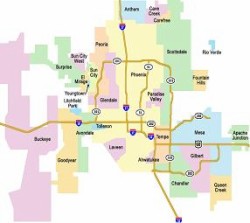 We serve the entire Phoenix area, including
  We accept Cash, Checks and Major Credit Cards.